


Lightning Intros, Minihacks, and Ping-Pong: That’s a Wrap on the 2026 unitaryCON!
The fourth annual unitaryCON brought together the open-source quantum community in Toronto, Ontario. Put on by Unitary Foundation in partnership with Xanadu and Open Quantum Design, unitaryCON26 provided a dedicated space for 70 open-source quantum developers, researchers, project maintainers, and enthusiasts to connect, collaborate, and share ideas.
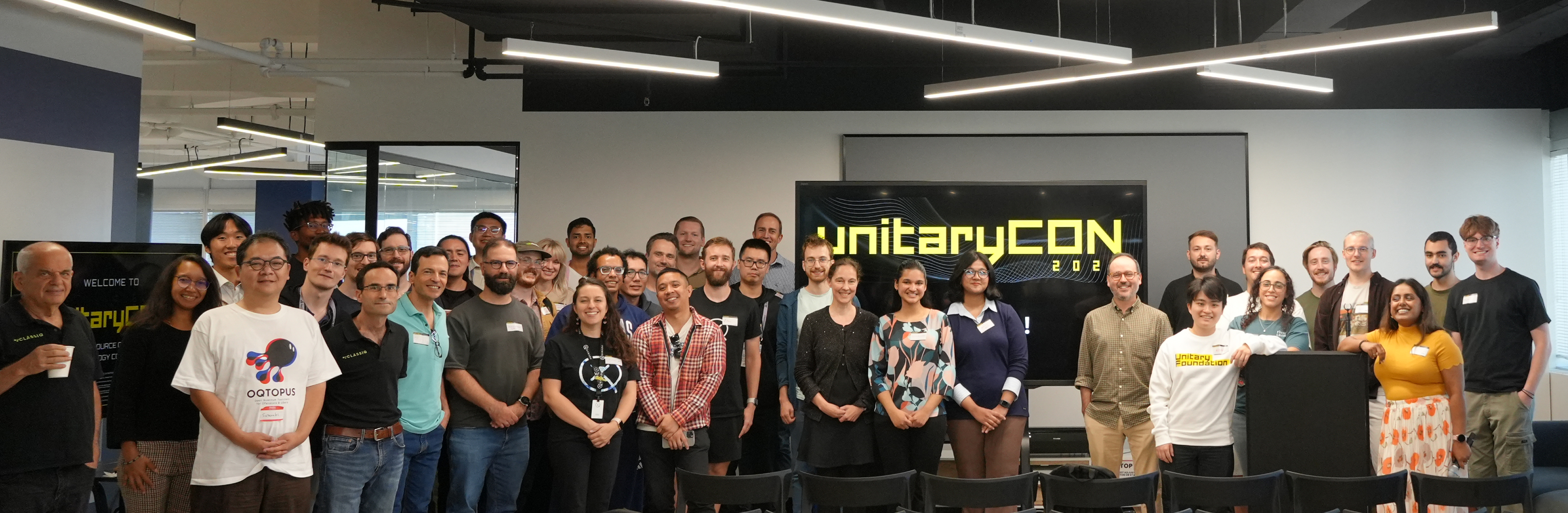
This year’s unitaryCON took place across three days: a welcome event on the evening of Thursday, September 17th; a full day of presentations, group discussions, and co-coding on Friday, September 18th; and a morning excursion to the University of Toronto’s Physics Campus on Saturday, September 19th.
During a time when the interactions in our open source community feel like they’re primarily virtual and AI-assisted, we wanted to create a space that challenged this “norm”. unitaryCON was not only a place to share project updates for feedback, it was also an informal gathering space to build the human connection that underpins the most important open tools in quantum - with music, good food, and even a friendly ping pong competition!
Program Highlights
1-Minute Lightning Intros
This year we introduced Lightning Intros, an opportunity for each attendee to use one minute and one slide to introduce themselves, present their current work, and share one general ask with the community (eg. “I’m looking for contributors to my repository” or “I’d like to find collaborators to go in on a grant together”). We viewed these intros as a springboard for networking throughout the conference and (considering their success) hope to implement these again for future events!
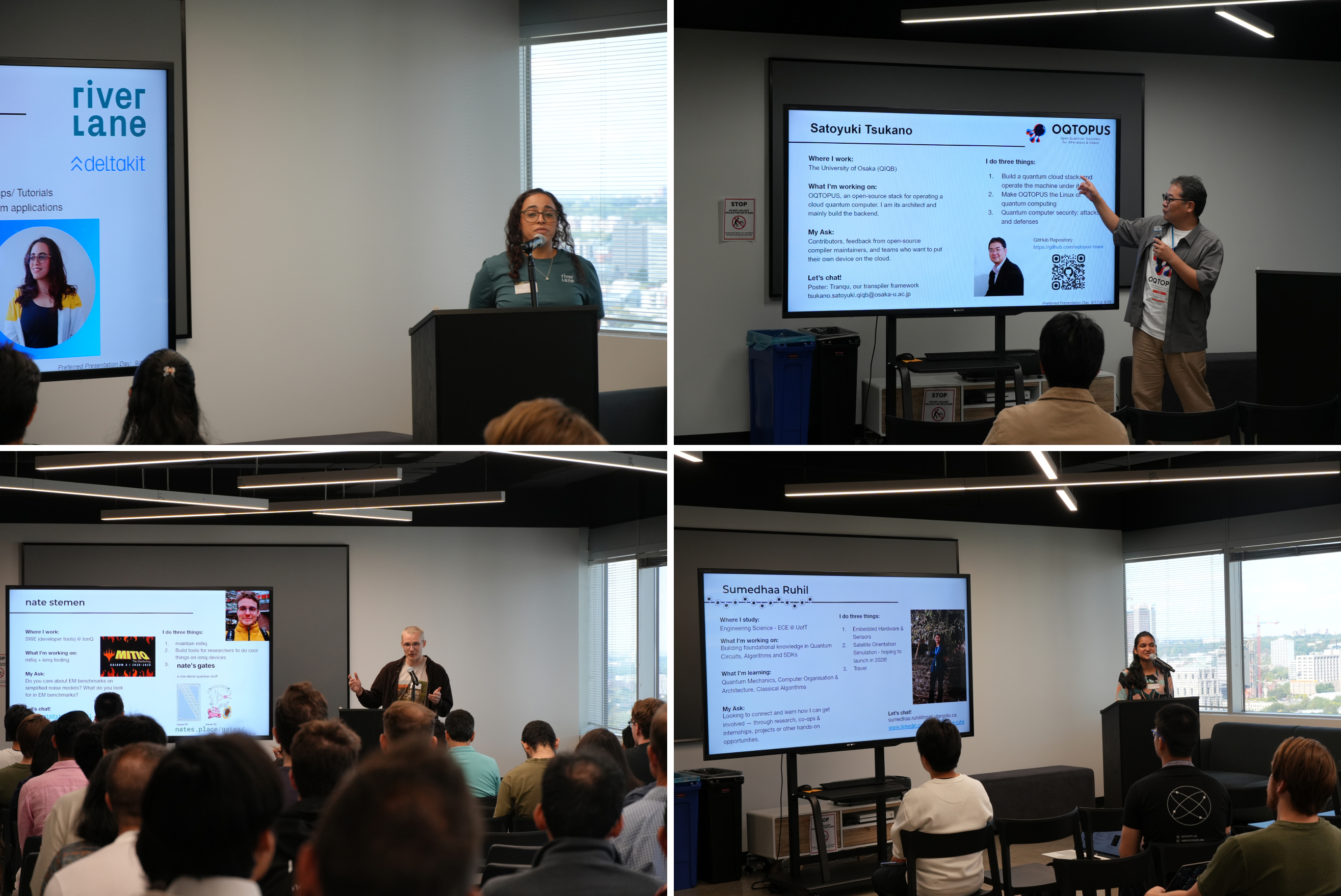
“The Lightning Intros format is the strongest single feature. Getting a one-minute snapshot of every attendee’s work and ask up front made the next two days feel like a targeted mini-conference rather than a room of strangers.” — unitaryCON 2026 Attendee
Featured Speaker Talks and Breakouts
Friday’s main program paired short, 7-minute presentations with longer group breakout sessions. Highlighted talks were given by the following speakers throughout the day:
- Catalina Albornoz (Xanadu)
- Ben MacLellan (OQD)
- Mathys Rennela (QEC Challenge, UF)
- Avi Elazari + Matan Vax (Classiq)
- Justin Lietz (NVIDIA)
- Kristian Gogora (OrangeQS)
- Roger Luo (QuEra)
- Victor Onofre (Pasqal)
- Sara Metwalli (Riverlane)
- Alessandro Cosentino (Metriq, UF)
- Brad Chase (Unitary Foundation)
After all the talks ended, speakers led 90-minute sessions that included group discussions, deep dives into specific open source tools, vibe coding, and more.
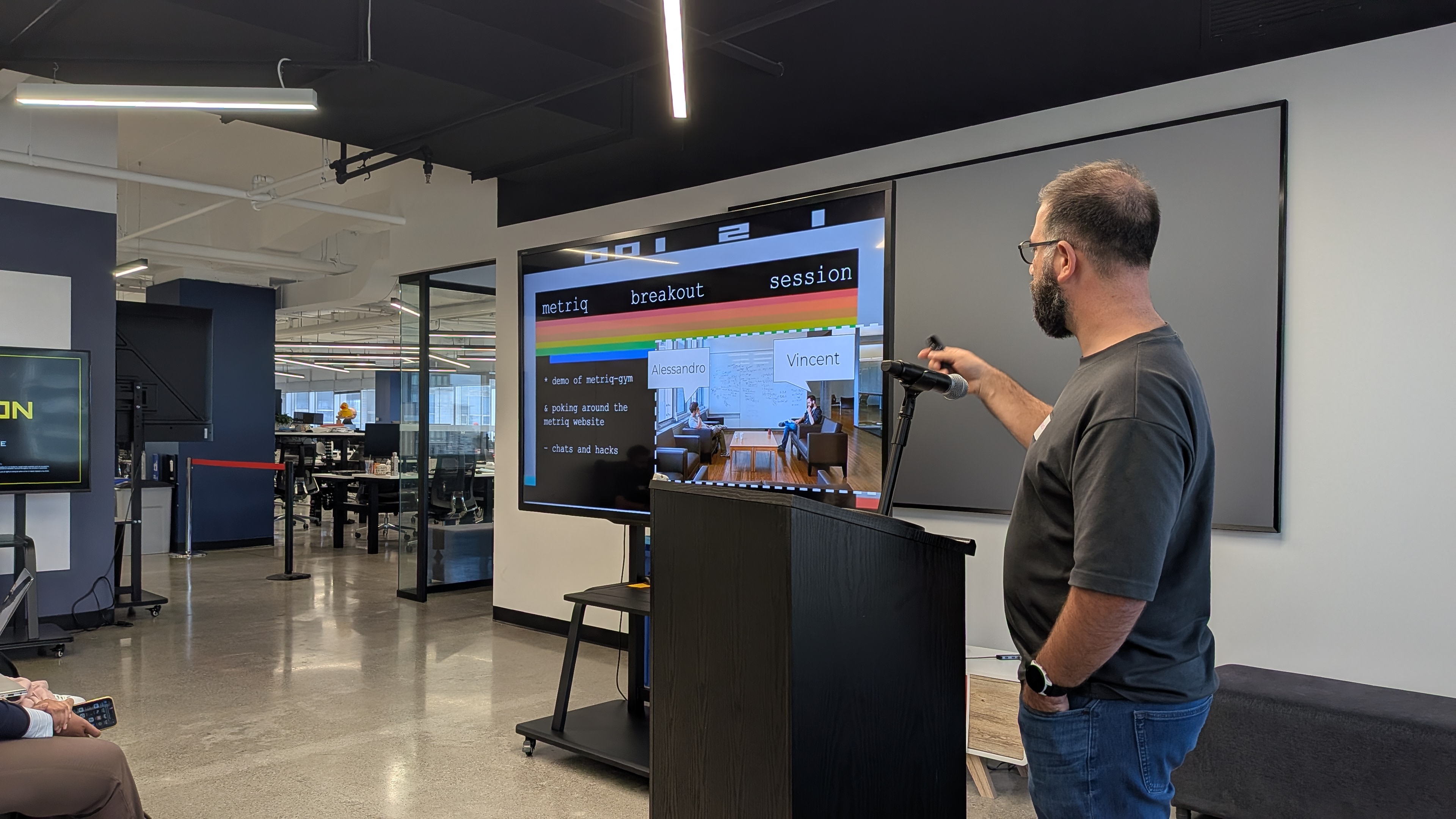
“I accomplished my personal goal of finding someone who’s thinking about FTQC-era tooling which made the whole trip worth it. My favorite part of UnitaryCON is always the ideas that are sparked by conversing with the wonderful attendees.” — unitaryCON 2026 Attendee
Poster Sessions and Hardware Demos
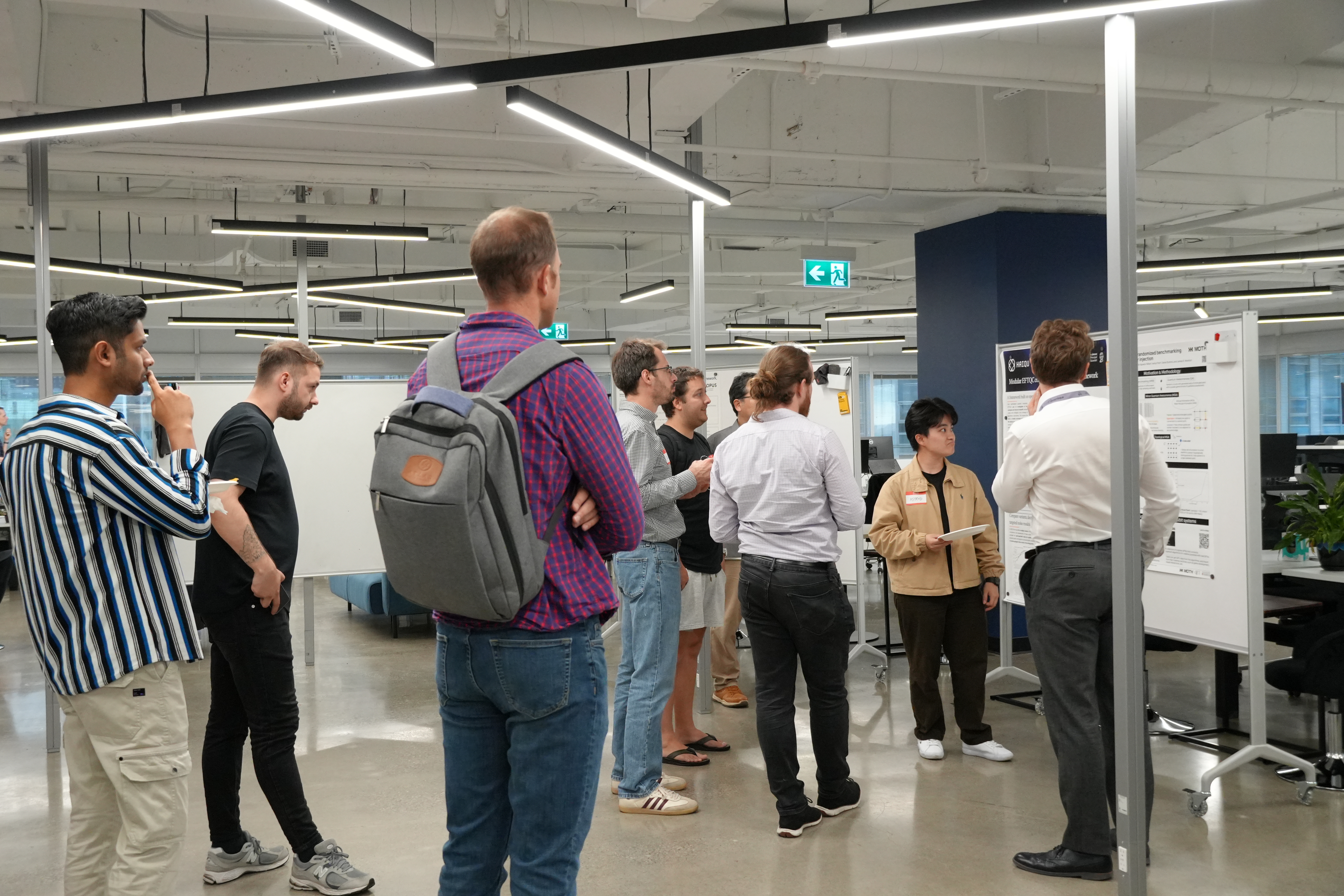
This year we put out a Call for Posters to be presented during the welcome event on Thursday evening. Of 20 submissions, 5 were chosen to present. Thank you to the presenters for sharing your work with the community and for being willing to present on Saturday as well!
- Astryd Park
- Mateo Uldemolins
- Satoyuki Tsukano
- Arul Rhik Mazumder
- Praaveenyan Vangara + Mathew Platt
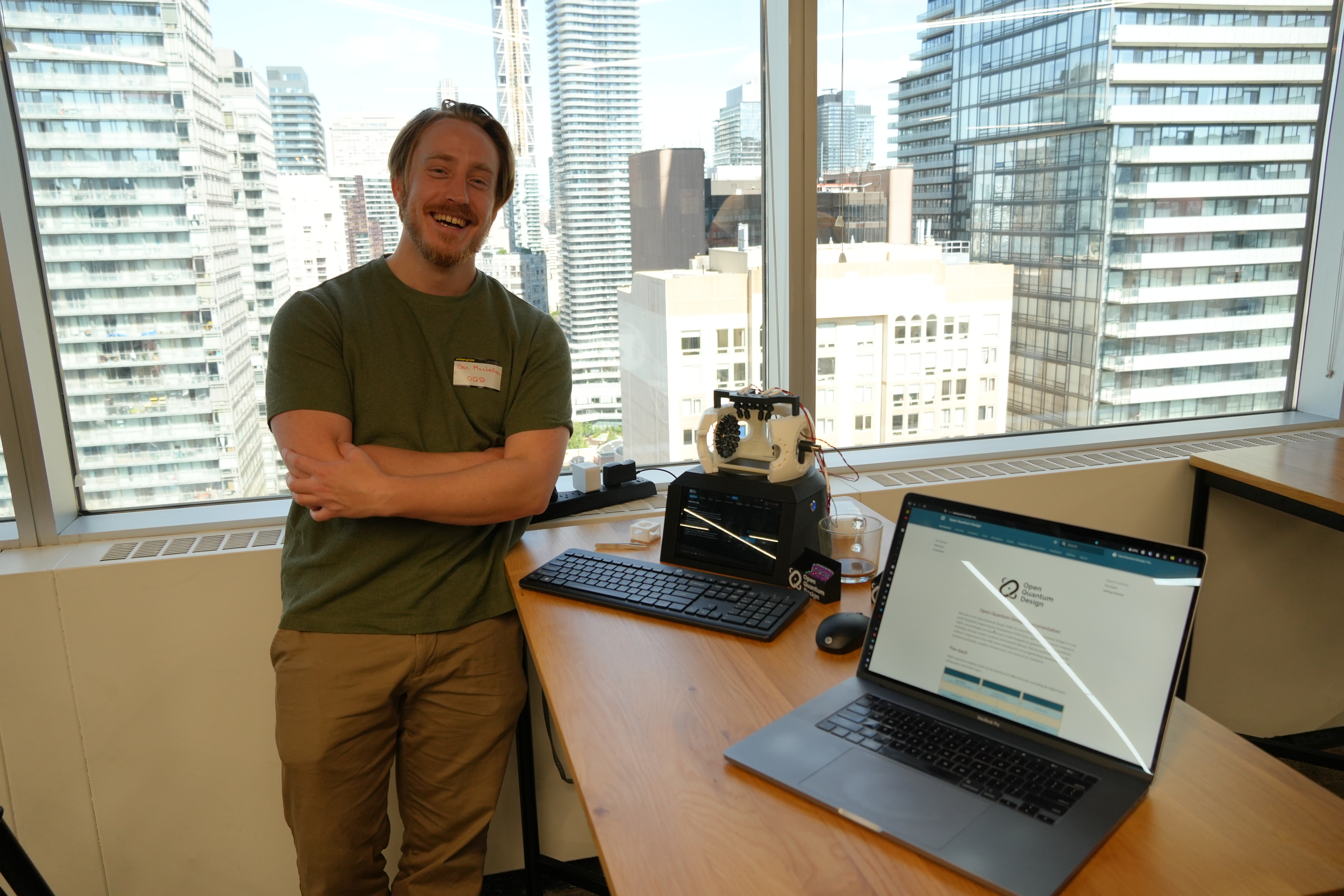
Additionally, we had a table display from our colleagues at Open Quantum Design - a model of the company’s trapped ion quantum computer so attendees could check out how it works!
Minihacks and Open Coding
In addition to discussions and presentations, we opened up a few hands-on challenges and open coding opportunities during unitaryCON.
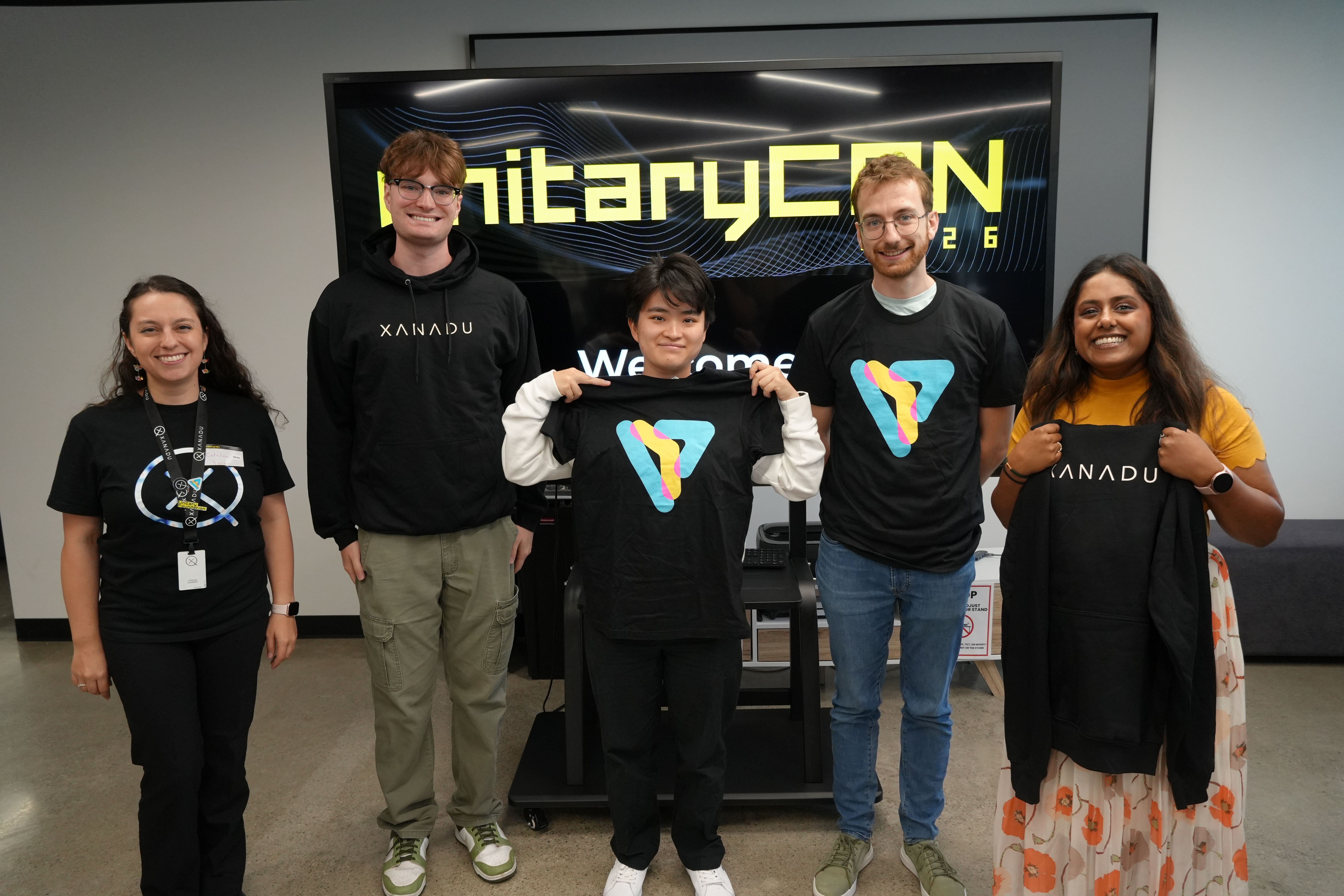
The first was the PennyLane Challenge put on by Xanadu, where attendees were encouraged to complete a task focused on resource estimation between Thursday evening and Friday morning. On Friday morning, three winners were chosen at random from a pool of people who completed the challenge.
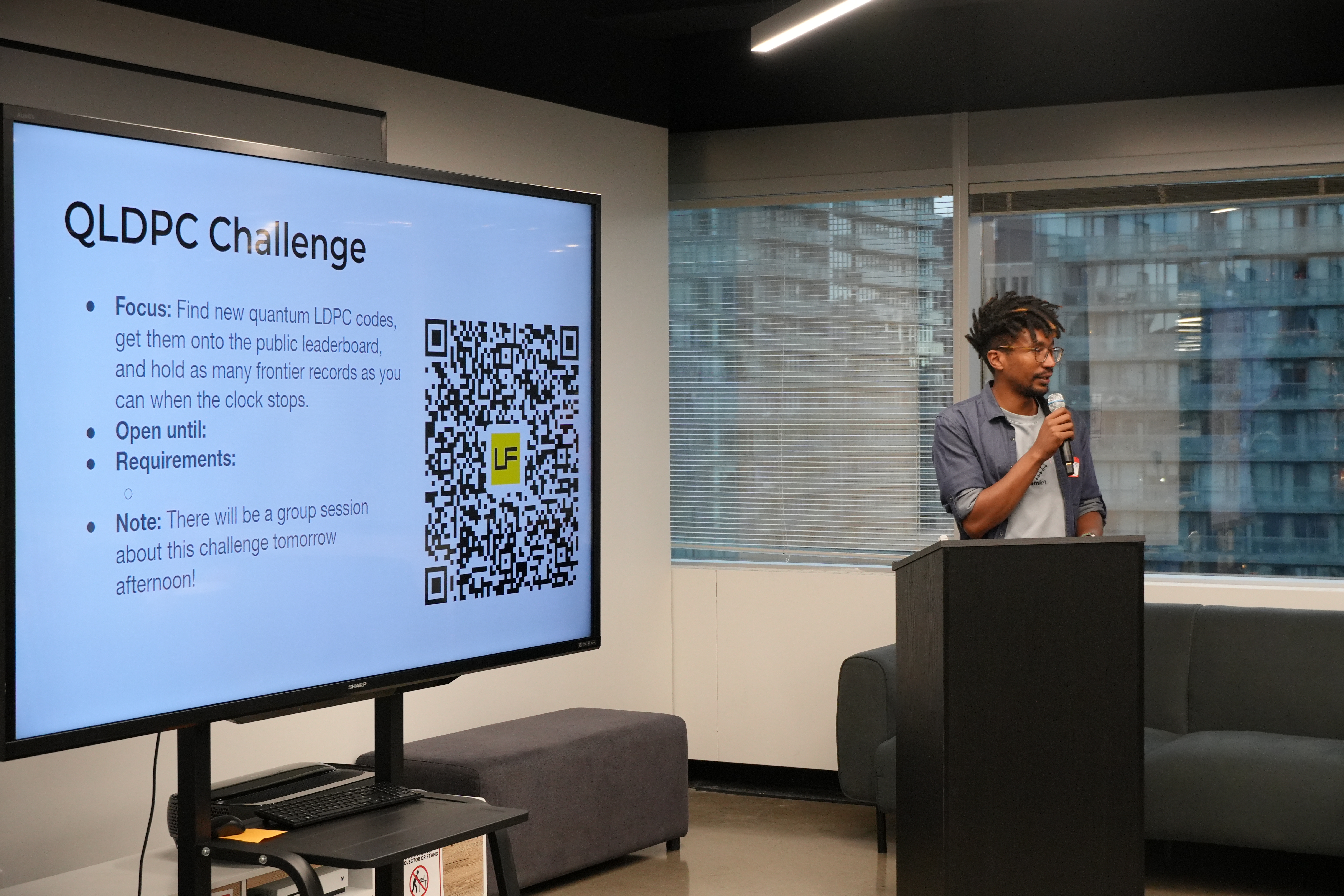
The second was the QEC Challenge put on by the UF team focused on an open leaderboard for human- and AI-discovered quantum error correction codes. While winners have already been chosen for this iteration, contributors are still vying for a chance to be on the leaderboard - check it out and see how far you can make it!
Community Excursion to the University of Toronto
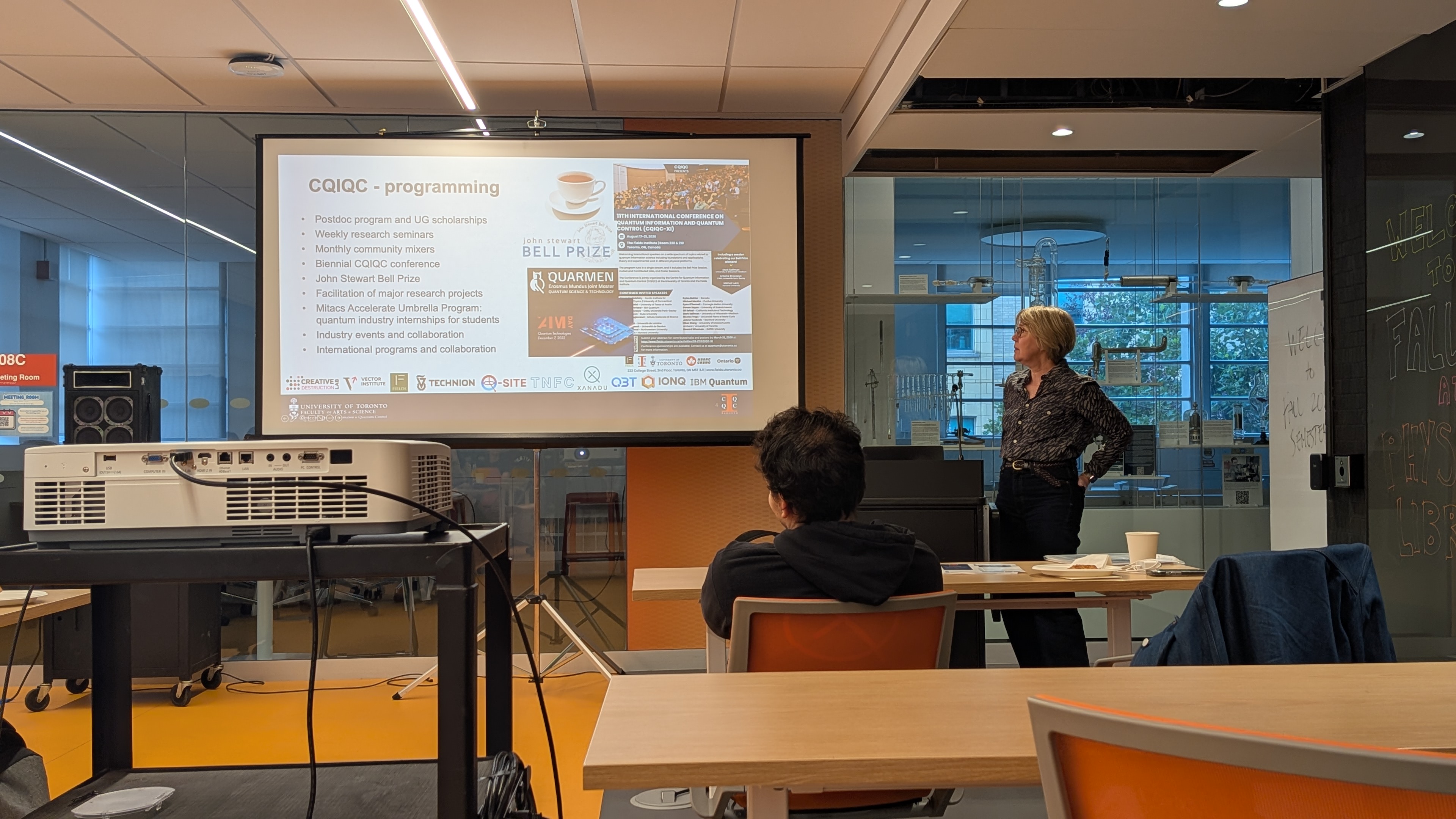
After 2 fantastic days of community-building and technical exchange at the Xanadu offices, we closed out the conference with a group excursion to the University of Toronto. We had presentations from representatives at Xanadu, UofT’s Center for Quantum Information and Quantum Control (CQIQC), and the student-led QSITE conference as well as a few faculty presentations. After the presentations, faculty members and postdocs led lab tours so our community could see what they’re working on right now.
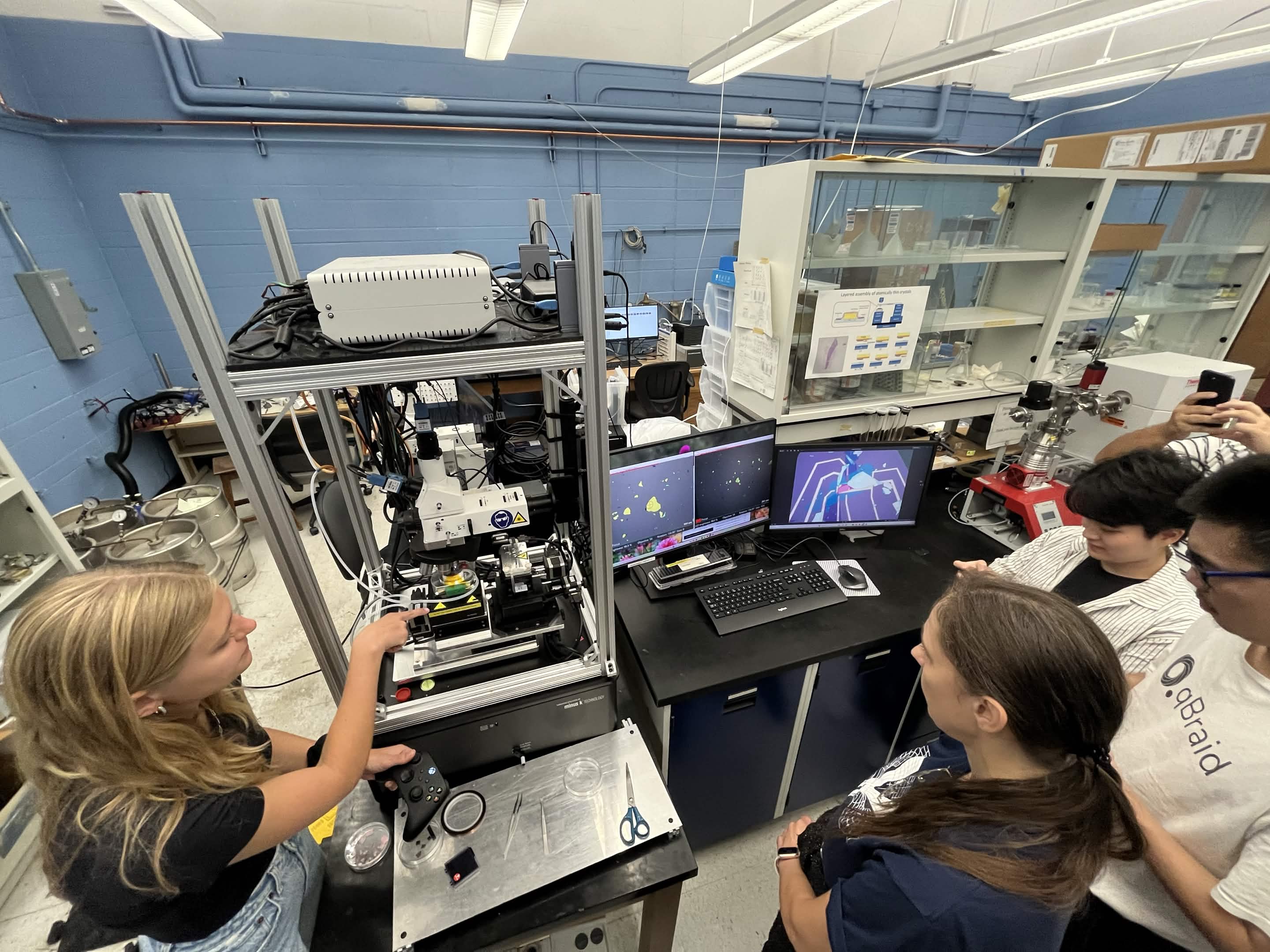
The socializing time and places made meeting and chatting so fun. Thank you for organizing :)) — unitaryCON 2026 Attendee
Thank You!
A massive thank you to everyone who made unitaryCON 2026 possible:
- Our host and event partners at Xanadu as well as our event partners at Open Quantum Design. Your support through the planning process and throughout the actual event days made this year’s unitaryCON extra fun and extra special.
- Our UF members for continuing to support our community initiatives like unitaryCON:
- Core Members: IBM Quantum, DoraHacks, Open Quantum Design, NVIDIA
- Supporting Members: AWS, Classiq, Microsoft, Mozilla Foundation, OrangeQS, QC Ware, Quantum Machines, Riverlane, Xanadu
- All of YOU: our speakers, breakout leads, challenge creators, and attendees for bringing energy, insight, and open-source spirit to Toronto
What’s Next?
Missed a connection or looking to follow up on a project from unitaryCON 2026? Join the conversation on the UF Discord or check out our active project repositories on GitHub to see how you can jump in and contribute. It was such a pleasure to commune with you all and we’ll see you at the next one!!
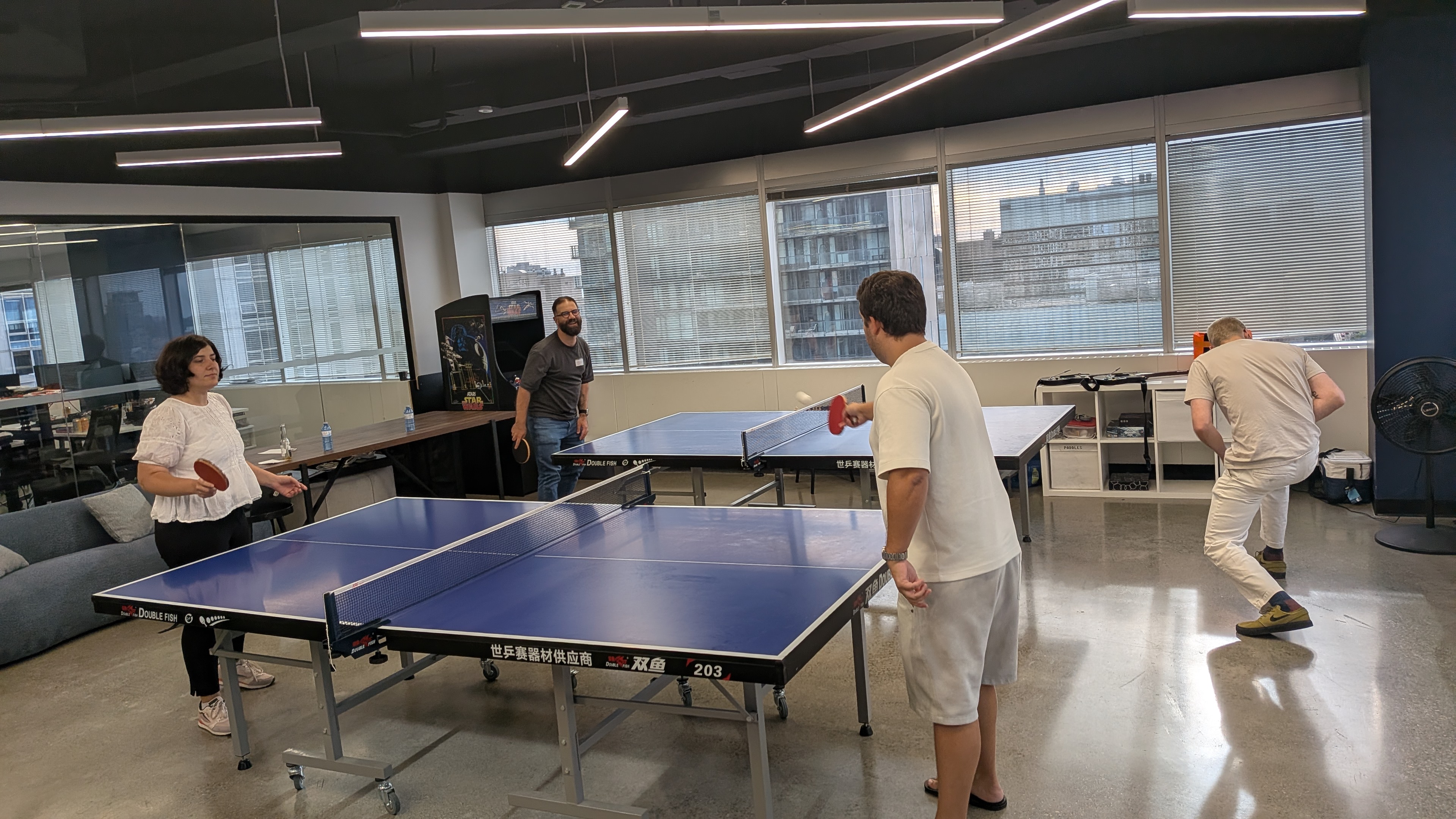
I love UnitaryCON! It’s my favorite conference - thank you all so much for planning and hosting ❤️ — unitaryCON 2026 Attendee